The Spam Folder Follies

They love my information in the spam comments folder. Apparently, the only thing my web site needs is some help with one of the following: loading in Internet Explorer or compatibility with Safari or help with ways of viewing it on a phone browser, but otherwise, my posts have “great information” and my writing is “useful,” according to Spam commenters.

Oh! and no one can ever find this web site. “Disgrace on the sseek engines for nott positioning this submit upper,” one recent comment (December 8) declared. At least, I think this has something to do with that. The writer seems to be offering help with search engine optimization (SEO), which no one actually understands but many claim to.

Anyone who has read Madeleine L’Engle’s novel A Wrinkle in Time may appreciate the above comment’s inadvertent resemblance to the character Mrs. Which’s statements: “I ffindd itt verry ttirinngg, andd wee hhave mmuch ttoo ddoo.”
Read More

Mystical Things

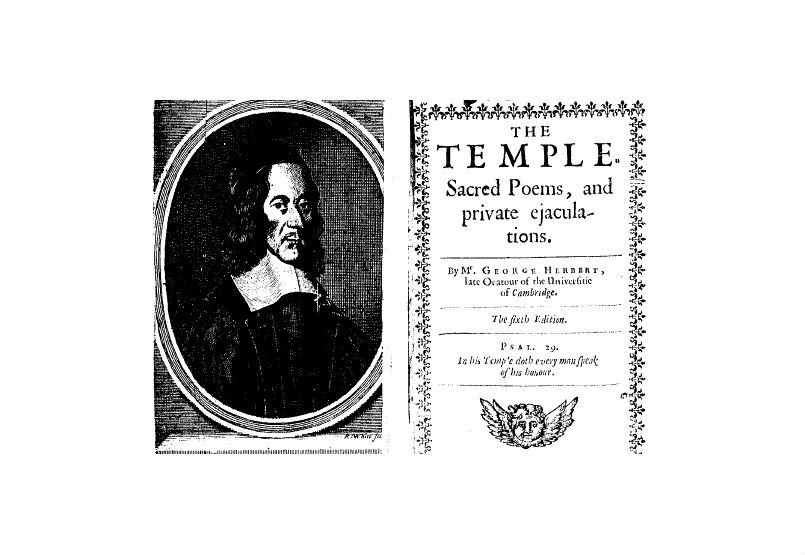
A few years ago I wrote about two artists who played with the question of whether what they are depicting is anything more or less than words on a page or paint on a surface. Both the poet George Herbert and the painter Arcimboldo make art of the question, What is art? Is it what it depicts, an idea about what it depicts, both at the same time (which makes it a third option), or something less than? Is art, by definition, always a misfire, in that a depiction of a thing is not the thing and never can be?

Arcimboldo painted portraits of character types rather than individuals; for instance, a librarian composed entirely of books or a gardener made of vegetables in a bowl. That latter painting depends on the viewer to decide to see the bowl filled with veggies or a human “face.”
Read More

Missing: Empathy

[He] sees the fate of conspiracy in apocalyptic terms—he traffics in the birth and death of whole worlds, whole political orders, whole systems of human values. He is always manning the barricades of civilization. He constantly lives at a turning point. Like religious millennialists he expresses the anxiety of those who are living through the last days and he is sometimes disposed to set a date for the apocalypse. … As a member of the avant-garde who is capable of perceiving the conspiracy before it is fully obvious to an as yet unaroused public, [he] is a militant leader. He does not see social conflict as something to be mediated and compromised, in the manner of the working politician. Since what is at stake is always a conflict between absolute good and absolute evil, what is necessary is not compromise but the will to fight things out to a finish.—Richard Hofstadter, Harper’s Magazine

The above passage was not written recently. It does not describe anyone in the news right now. It was written in 1964 and published the month of the Presidential election that year in Harper’s. Its title is “The Paranoid Style in American Politics.”

Hofstadter was an historian who found himself concerned with the angry political rhetoric that was emerging that year and he re-discovered that there was little new to it, that in fact a “style” of rhetoric could be identified that regularly emerged and re-emerged in our history.

The “paranoid style” is back in America. Perhaps it never left.
Read More