Today in History: September 7

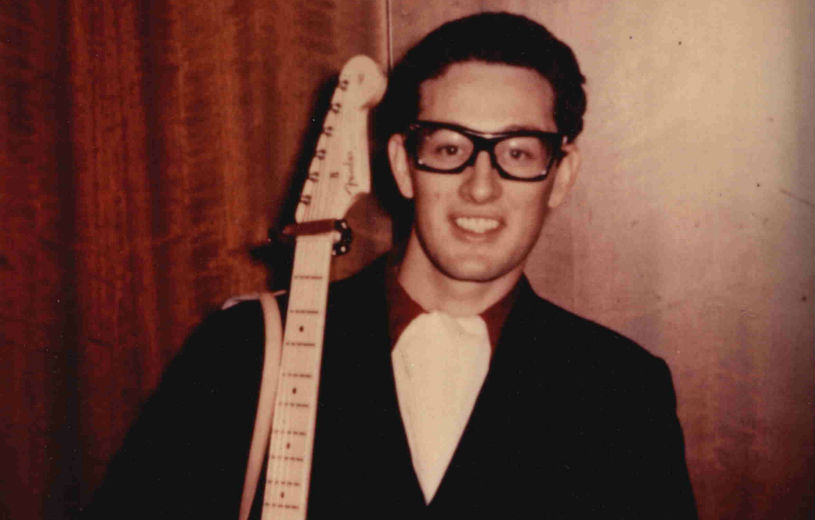
Charles Hardin Holley was born 80 years ago today in Lubbock, Texas.

His family nicknamed him Buddy. The Holley family was a music-loving one, and Buddy was participating in talent shows and contests before he was in high school. Within a year of graduating from high school, he was signed to his first recording contract, with Decca. His name was misspelled by Decca’s agent on the paperwork: Buddy Holly.

That first contract yielded very little for either Buddy Holly or Decca: he did not like having a producer oversee operations, even though that producer was one, Owen Bradley, whose eventual reputation was made molding singer-songwriters, and no hits resulted. Decca fired him within months, but it enforced the terms of his contract: he could not re-record his songs with any other label for the next five years.

Thus, his subsequent recordings, one of them a re-recording of a song Decca rejected titled “That’ll Be the Day,” were released under the name of his new band, the Crickets. But they were all written or co-written by Buddy Holly. By 1957, he was a star.
Read More
Today in History: September 6

“If Clarence Saunders lives long enough, Memphis will become the most beautiful city in the world just with the things Saunders built and lost.”—Ernie Pyle

Perhaps someone else would have dreamed up and built the ideas that Clarence Saunders built, but Saunders built them. If you will be shopping for tonight’s dinner at a grocery store today, you have Clarence Saunders to thank for several things you possibly take for granted: shopping for yourself at a grocery store, for one.

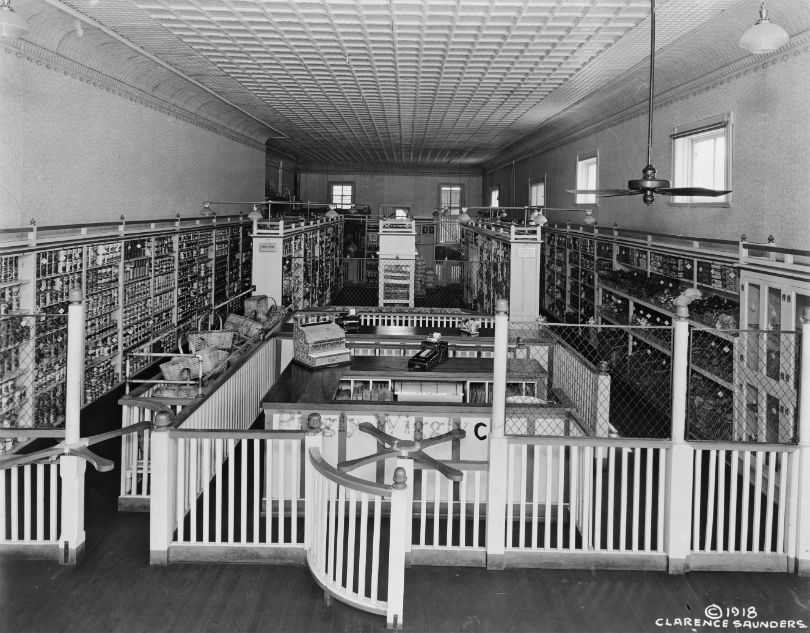
Today is the 100th anniversary of the opening of Saunders’ greatest achievement, the first ever self-service grocery store, a Piggly Wiggly (the name was his coinage and he never explained it), which is a grocery store chain that is still in business throughout the American South. The first store (a photo from inside it is above) was located at 79 Jefferson Street in Memphis, Tennessee, and a historical marker sits there to this day.
Read More

Today in History: September 5

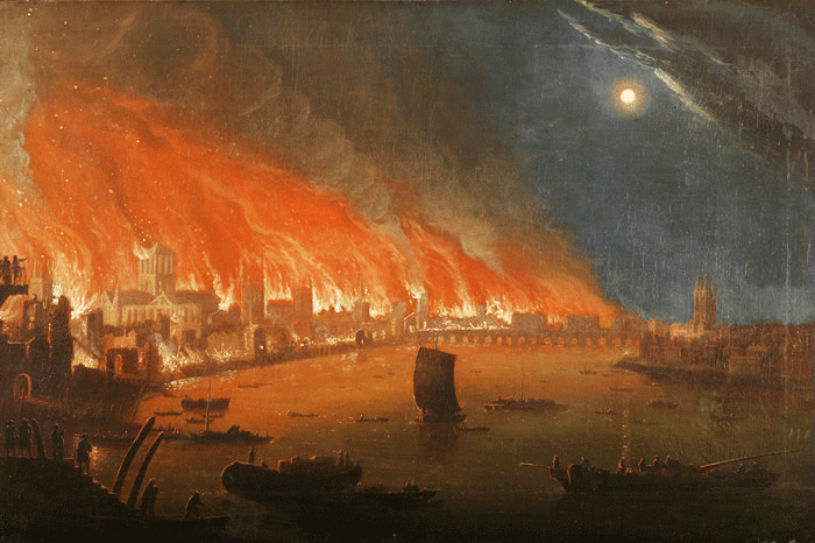
The Great Fire of London was finally extinguished 350 years ago today. It burned for three days in the crowded central City of London, which was full of wood buildings hemmed in by the old Roman city stone wall. In three days, the fire destroyed St. Paul’s Cathedral and over 13,000 residences and almost 90 churches. About 80,000 people had lived in central London and it is thought that some 70,000 lost their homes.

Samuel Pepys, a navy official, explored the city while the fire was burning and after, and he returned home each day to record what he encountered in a diary. On September 5, he wrote that the pavement itself on the streets he walked was hot enough to burn his feet through his shoes.

The painting above by an unknown artist and dates from around 1700. The artist may have been painting from memory … or not.

The fire broke apart into manageable smaller fires when the winds that had been driving it onward from house to house for days and nights finally died down and the firebreaks that had been established (in which homes were destroyed to cut the fire off from any more fuel) finally had an influence on the conflagration. Firefighting technology was not primitive in 1666 (London had “fire engines” that could carry water from the River Thames, but they could not be maneuvered in the narrow alleys of central London), but firefighting companies were not common and fighting fires in crowded cities with narrow lanes and wooden buildings with basements in which families stored coal was not something anyone had trained for.
Read More