Today in History: August 8

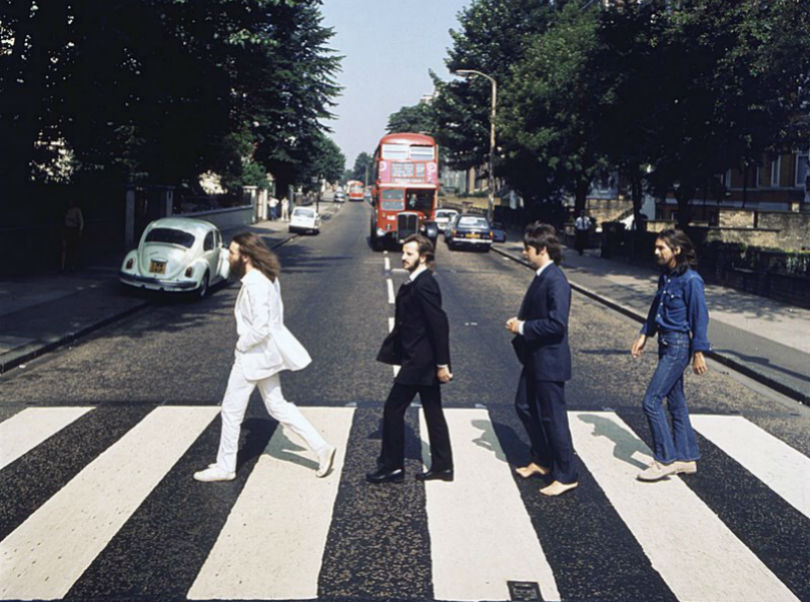
The four young men in the photo at top were in the process of recording an album that they intended to name for the street on which their recording studio was located—the studio in which they had spent their recording career as a group. One of them, Paul, sketched an idea for an album cover: the four band mates crossing the street at the zebra crosswalk in front of the recording studio.

On this date in 1969, the photo session was held. Traffic was stopped, including a double-decker bus, and the four strode back and forth. A total of six photos were taken by Ian MacMillan from atop a stepladder; the fifth photo of the six became the album cover for Abbey Road.
Read More

Paint the World

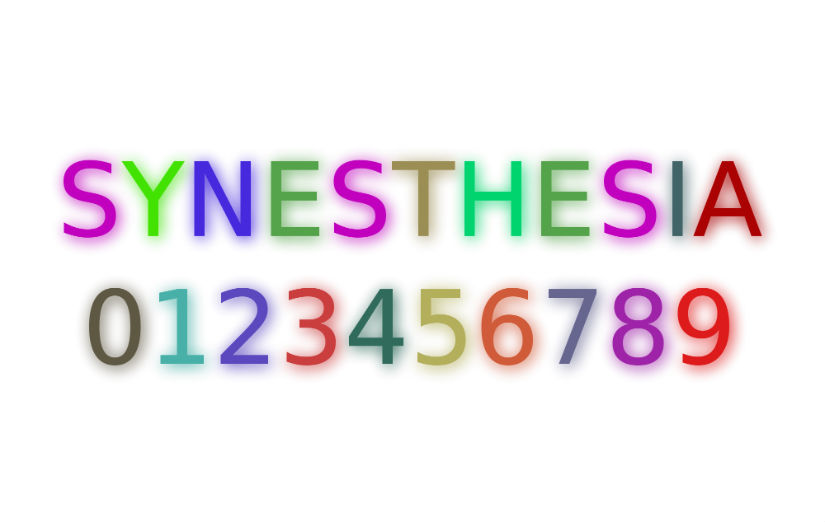
For those with synesthesia, the world seems no more interconnected than they assume it always is for the rest of us, until the person with the condition casually mentions how lively and bright blue the letter K always is to a playmate, who then reacts in a baffled way.

It is a condition that an unknown number of people have, but it is a condition to which the modifier “suffers” can not be added, because it does not often have negative effects on an individual’s life. (For some, it must have negative effects, just as any condition might.) It is not known how many people have or might have some form of synesthesia because not many people take the time or are offered the opportunity to describe the way they perceive how they perceive the things they perceive.
Read More

Today in History: August 7

A magazine called The Little Review began publishing sections—episodes—from James Joyce’s work in progress, Ulysses between 1918 and 1920. The publication of one section, “Nausicaä,” in 1920 led to an obscenity prosecution. The issue of the publication was declared obscene and thus, all further publication of Joyce’s novel, in sections or complete, was banned in America. Until August 7, 1934.
Read More