The Fierce Urgency of Meow

It may come as a surprise to our cat, Angel, that I do not speak cat. Not fluently, anyway. But she keeps talking to us as if we understand and await her each beckoning meow.

(I do not know if her meows can be classified as “beckoning.'” She might be telling me to eff off, but I choose to believe that I understand her various vocalizations as beckoning.)
Read More

Who Do I Trust?

My first instinct, which is that my first instinct can not be trusted, is usually wrong. This often puts me in any number of conundra.

The paragraph immediately above gives a clear example: My typing fingers wanted to write “conundrum,” then wanted the plural form. But what is the plural of conundrum? My all-too clever brain thought: “conundra. That’s funny. It’ll get a smile from someone.” The someone who smiled was me, which was enough to make it so, and I typed “conundra” for “conundrums.” But I go look it up and learn—thanks, World of Information!—that since conundrum does not come from a Latin root, but sounds like it might have, the proper plural is “conundrums.” Further, the word “conundra” has existed for a long, long while as a humorous, mock-educated plural form for plural problems. “Mock-educated.” That’s me, so it remains “conundra.”
Read More

Fulfilling Promise

Did William James ever say, write, or think anything about human beings using only 10% of our brains? No, nope, and no. An investigation:

* * * *
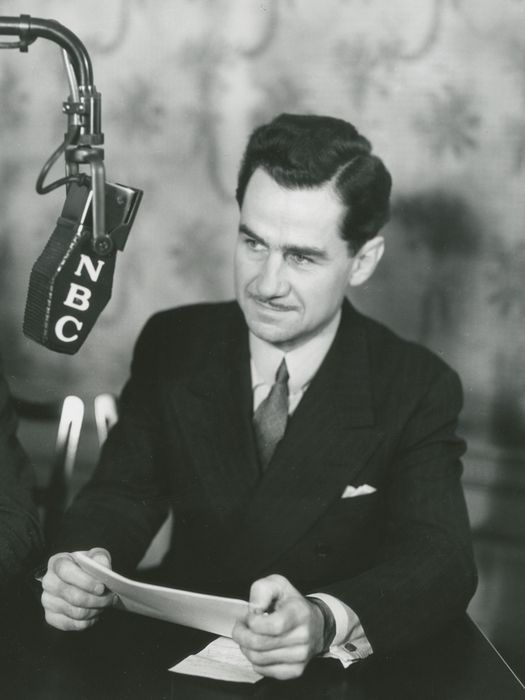
Blame Lowell Thomas. He’s as good a person to blame as anyone.

lowell thomas

Lowell Thomas

Because if you are going to make a claim—about anything at all—in the forward of a book that goes on to sell tens of millions of copies and remain continuously in print for nearly 80 years, you are going to be responsible for authoring a claim that will stick in the communal mind, that will become a part of how we as a culture think we understand ourselves. And as Lowell Thomas might have put it himself in his folksy manner of speaking, it was a doozy.
Read More