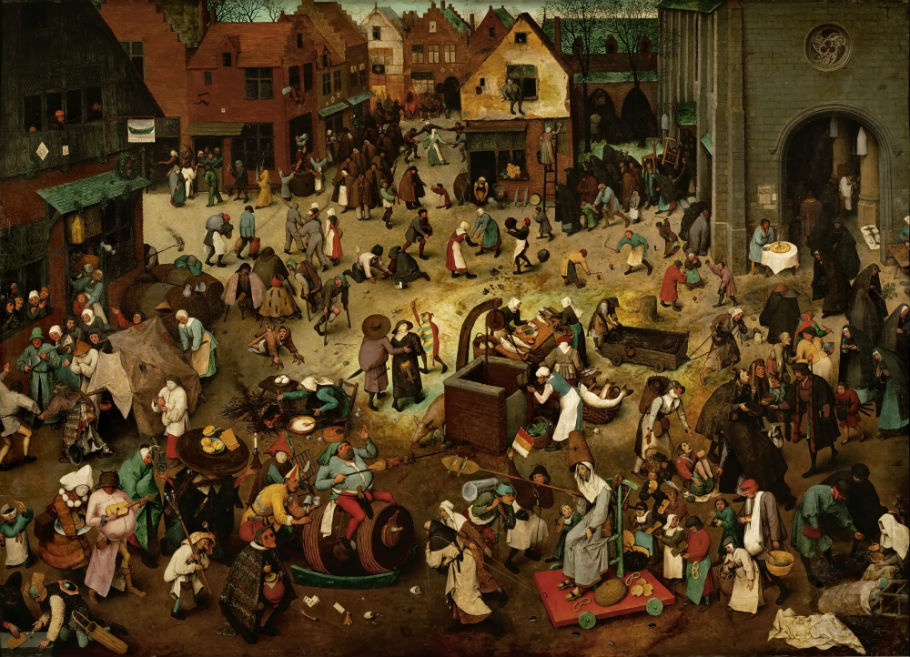
The Fight Between Carnival and Lent

Pieter Bruegel the Elder’s Kampf zwischen Fasching und Fasten (“The Fight Between Carnival and Lent”) depicts today, the day before Lent. Today is an important enough day in the Christian calendar to go by a few nicknames: Shrove Tuesday, Mardi Gras, “Fat Tuesday,” “Pancake Day.”

Any day that is associated with food, whether because restrictions are about to be imposed or restrictions are to be erased for one special day, by rights ought to have as many nicknames as it can bear.
Read More
A Valentine’s Tale

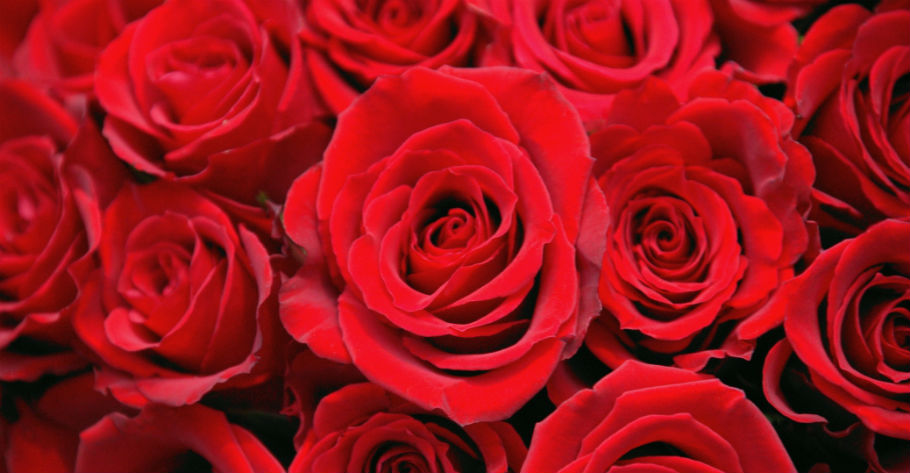
I bear a scar from the first Valentine’s Day that I had a reason to celebrate as Valentine’s Day, as a part of a couple. Until my current relationship, my romantic history was a long walk alone in an empty field, punctuated by moments in which I interrupted someone else’s walk, attempted to try a relationship, and discovered that I try people’s patience instead. (All the women I have dated are brilliant and accomplished, and I was lucky to get to know them; I was stuck at age 15 for an astonishingly long time, however.)

My love right now, my soul mate, Jen, is quite brilliant and accomplished, and for the first time in my life, almost three years now, I am an equal partner and have opened myself up to having an equal partner. Not too bad for a 46-year-old 15-year-old.
Read More

Pareidolia, Good to Know Ya

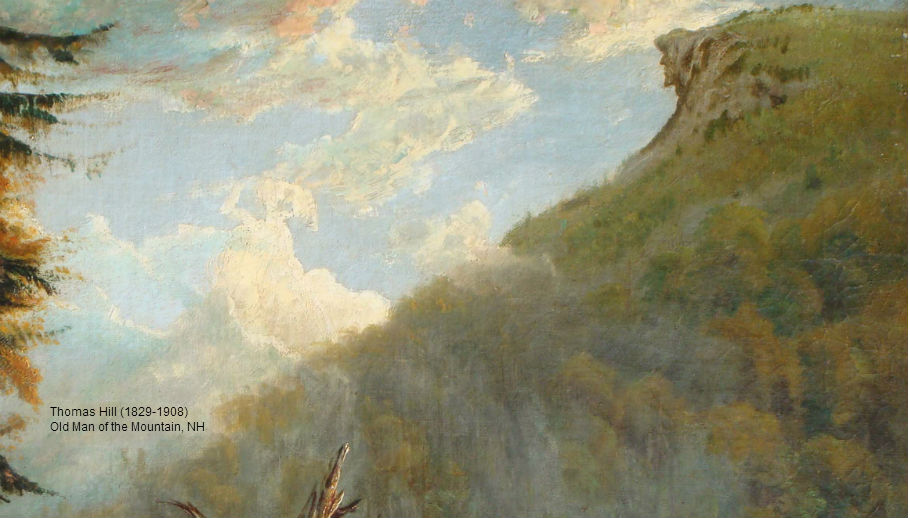
We love our pareidolia moments. The human brain is continuously at work interpreting the world around us, judging incoming information and stimuli on a range of choices and a spectrum of notions, ranging from food or not-food? to friend or foe? to Do I know you? Look at those clouds. Do you see what I see?

Artists have taken advantage of this for centuries. Were I to draw a circle, put two dots toward the top side, a short vertical line under these, and a horizontal half-circle under that, most people would say that I had sketched a smiley human face, even though hardly any human being that any of us knows looks like that. Some neuroscientists say that our brains are hard-wired to look for faces and to quickly identify friend or foe, even with only a part of a face visible. Those ancient humans who survived because of this skill survived to pass that skill on, genetically. Those with superior facial recognition skills today have their ancient ancestors to thank.
Read More