January 31 in History

“Love is our true destiny. We do not find the meaning of life by ourselves alone—we find it with another.”—Fr. Thomas Merton

Thomas Merton was born on this date in 1915.

* * * *
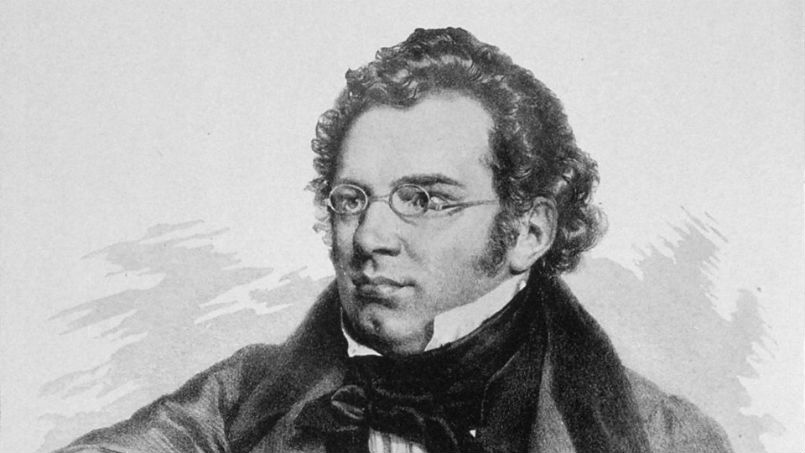
Franz Schubert (at top) was born on this date in 1797. Only 31 when he died, he left behind almost 1000 works—several hundred songs, some individual and some in song cycles; seven officially complete symphonies and five other partial symphonies (one of which, Symphony No. 8 in B minor, the Unfinished, is one of the most performed works in most orchestra’s repertoires); and many chamber works.
Read More

Irreplaceable Me

I never fooled myself into believing that I was indispensable, but did I have to prove it so often to the world at large?

* * * *
There is a phrase one hears in recovery circles: “Pulling a geographic.” While sharing their stories about the past and the inebriated life, many addicts and alcoholics learn that they have done similar things, like move across the country because they thought that a change would do them good.

One of the things that many of us did, many times, when we were trying to exert control over life was run from it. Move. Sometimes across town and sometimes cross-country. There was nothing so bad it couldn’t be fixed without filling out a change-of-address card.
Read More

January 29 in History

“Men are not bad. Men are degraded largely by circumstances …. It is the duty of every man … to help them up and let them feel that there is some hope for them in life.”—Louis Brandeis

President Woodrow Wilson nominated Louis Brandeis to the Supreme Court of the United States on this date in 1916.

At the time, most presidential nominations were accepted and voted on by the United States Senate in an up-or-down vote, often on the same day that the president submitted the name; the nomination of Brandeis was so controversial that the Senate held public hearings about it.
Read More