Today in History: June 23

The typewriter is one of those devices whose need had been obvious for decades, even a century before a practical one was produced. In 1714, one Henry Mill of England was awarded patent number 395 on January 7, 1714, for a device whose description sounds like nothing less than a typewriter, even though that word had not yet been coined. The 1714 English patent reads:

He hath by his great study and paines & expence invented and brought to perfection an artificial machine or method for impressing or transcribing of letters, one after another, as in writing, whereby all writing whatsoever may be engrossed in paper or parchment so neat and exact as not to be distinguished from print; that the said machine or method may be of great use in settlements and publick records, the impression being deeper and more lasting than any other writing, and not to be erased or counterfeited without manifest discovery.

(Patents did not need to be very scientific in their language in 1714.) No device was produced, and no wonder: none was described. Mill’s idea, which described a possible solution to the perceived need, is what was patented, and it is now considered to be the first mention of the idea of a typewriter.

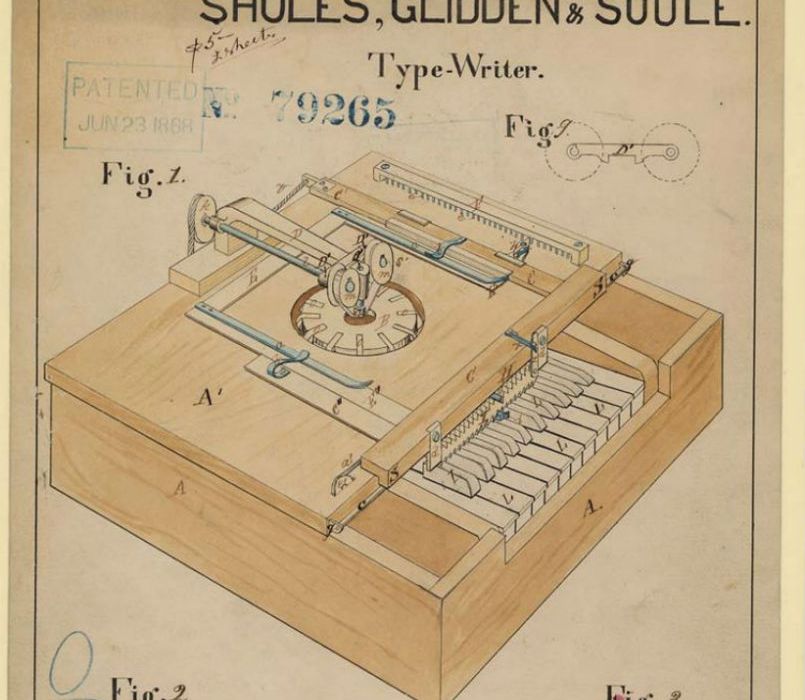
A century and a half later, in Milwaukee, Wisconsin, necessity and invention met up. On June 23, 1868, U.S. Patent Number 79265 was granted to three men for their “Improvement in type-writing machines.” A design for an actual working machine resulted.
Read More
Today in History: June 22

Operation Barbarossa, Nazi Germany’s attempted invasion of the Soviet Union, was launched 75 years ago today with an air and ground attack at several locations on what became the Eastern Front. More than three million Axis soldiers faced off against a similar number of Soviet soldiers.

Ultimately, it did not work. The USSR withstood and eventually repelled the invasion, but Nazi Germany’s invasion set a record which still stands: it was the largest invasion force ever mounted, the single largest military operation ever mounted, with four million total soldiers on one side alone, along the longest front line: 1800 miles. When it was all over, the invasion led to the fight over the Eastern Front, a years-long fight which saw more death and destruction than was seen in the entire rest of World War II: 26 million individuals lost their lives in the fight for the Eastern Front.

Adolph Hitler thought the Soviet Union would fall in three months. He was wrong.

* * * *
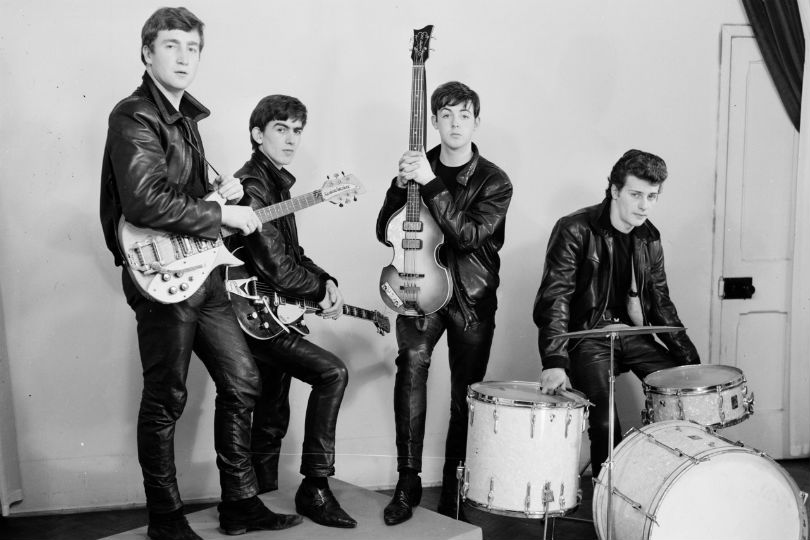
The Beatles (above, with Pete Best) participated in the group’s first-ever studio recording session 55 years ago today in Hamburg, Germany. Among the songs recorded were “My Bonnie” and “Cry for a Shadow,” an instrumental that remains the only song credited to the songwriting pair of George Harrison and John Lennon. “Cry for a Shadow” (after the jump):
Read More

Today in History: June 21

Today is the first full day of summer. The summer solstice came last evening at 6:34 p.m. EDT.

* * * *
It took two ratifying conventions for New Hampshire to accept the United States Constitution, one in February and one in June, but on this date in 1788, by a vote of 57–47, New Hampshire ratified the Constitution. With New Hampshire, nine of the 13 states had ratified the document as the law of the new land, which set in motion the process of forming the new nation’s federal government.

* * * *
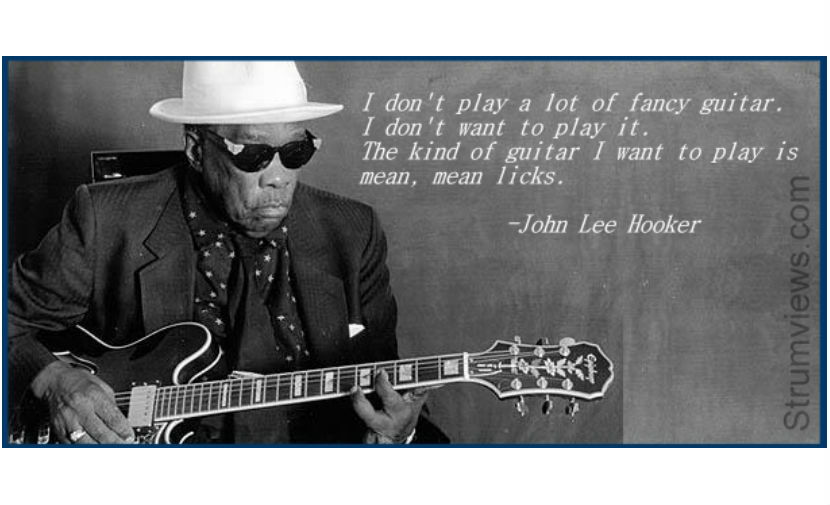
John Lee Hooker died 15 years ago today.
Read More