The Ghostly Writer

The French writer Guy de Maupassant was famous for approximately two things: one, his brief yet incredibly prolific writing career; and two, his claim that one of his many stories just happened to have been dictated to him by his ghost-double, his doppelganger.

M. de Maupassant was dying of syphilis for the last several years of his life (perhaps we have three things he was famous for), and insanity is one symptom of that terrible disease. In “The Horla,” which he published in 1887, a few years before his death, the narrator is tormented by a demon he can not see, can not prove exists, but who comes to him every night and drinks the water off his night table and makes him ransack his own house, to the consternation of his servants. (I might write a parody of this and call it, “The Santa.”)
Read More
Edison Obsessed

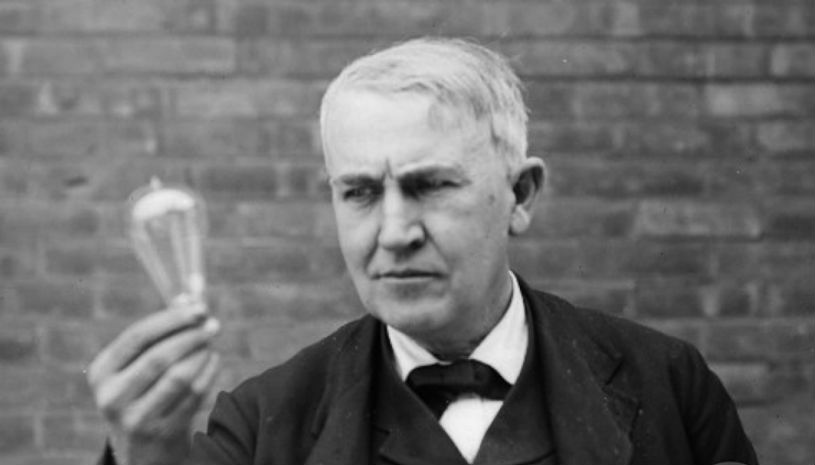
Sixteen months of embarrassingly public false starts and failed attempts led to the rarest of things from Thomas Edison: silence. He was going to allow his results to speak for themselves for once. When he and his invention were ready on December 31, 1879, Thomas Edison invited the public to his lab in Menlo Park, New Jersey, to witness electric lights being turned on and off for the first time.

In September 1878, Edison had convinced himself that he was so close to an electric light that he announced it to the press. “I have it now! When the brilliancy and cheapness of the lights are made known to the public, illumination by carburated hydrogen gas will be discarded,” he told the New York Sun. Gas lamps inside and outside the house, with their many inherent dangers, were about to be a thing of the past.
Read More

Paint the World

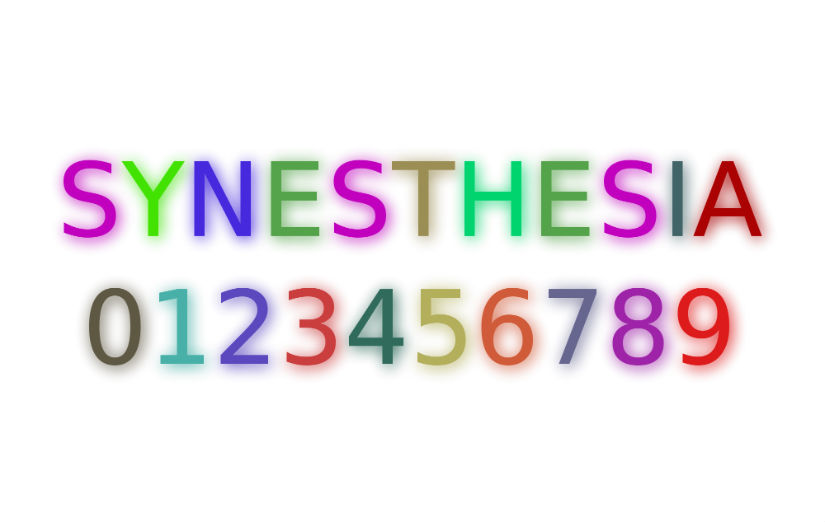
For those with synesthesia, the world seems no more interconnected than they assume it always is for the rest of us, until the person with the condition casually mentions how lively and bright blue the letter K always is to a playmate, who then reacts in a baffled way.

It is a condition that an unknown number of people have, but it is a condition to which the modifier “suffers” can not be added, because it does not often have negative effects on an individual’s life. (For some, it must have negative effects, just as any condition might.) It is not known how many people have or might have some form of synesthesia because not many people take the time or are offered the opportunity to describe the way they perceive how they perceive the things they perceive.
Read More