The Long and the Short of It

I see an old photo of myself and I think I can return there. A previous year, another existence, is merely another place I have visited, lived in, breathed the air of. The 1990s are only as far away as a bus ticket whose price is a bit out of my reach; I think I can visit 1979 as easily as visit Phoenix if I would just save up for a couple months. I am going to see Vermont again, I am going to visit Iowa again; I have not seen the Pacific Ocean yet, but I know I will. Next year, maybe.
 
I know what the 1980s sounded like, what food tasted like then/there, just as I know what Cedar Rapids, Iowa, or Poughkeepsie, New York, sounds like. The ability to visit one (Poughkeepsie) but not the other (1983) offends me.—The Gad About Town, “So It Goes …

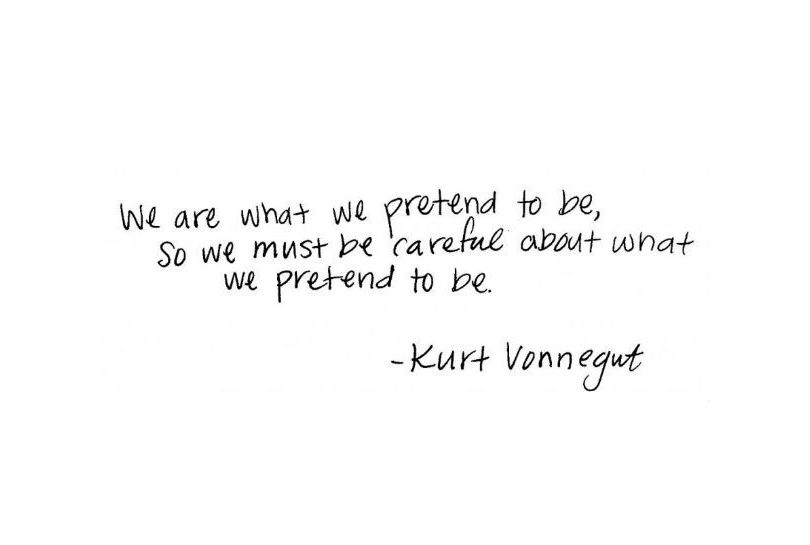
Now is all we have and Kurt Vonnegut knew this, knew it better than most. Reliving the firebombing of Dresden in February 1945 was necessary for him and he engaged that memory, both in print and in his psyche many times; coming to understand that February 1945 and November 1918 and March 2016 all co-exist in an Eternal Now is spiritual, somewhat. But my finding myself frustrated at the expense of a bus ticket to 1983 is Hell in its exquisite pointlessness, its empty longing.
Read More

Today in History, March 3

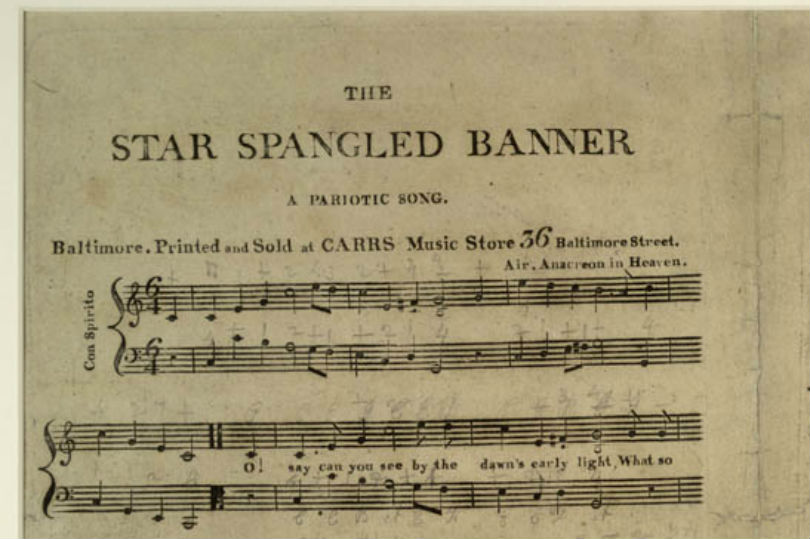
“The Star-Spangled Banner” by Francis Scott Key and John Stafford Smith was formally adopted by the United States of America as its national anthem 85 years ago today. The song had been a part of American public life for almost a century at that point—the lyrics were written by Key in 1814 and the tune had been popular for even longer.

The tune, by John Stafford Smith, was associated with a men’s club in London that was well-known during the Revolutionary War era, “The Anacreontic” club. Members of that long-gone men’s club used to sing a mock-solemn song about the Anacreontic society, so it became a common practice to take this tune, which was neither solemn nor mock-solemn on its own merits but was almost catchy, almost hum-able, and attach it to any new popular poem whenever one fit it metrically. And Francis Scott Key’s poem about watching the bombardment of Fort McHenry during the War of 1812 fit it perfectly. By 1889, the U.S. Navy used it in ceremonies and it was known as the “unofficial U.S. national anthem” for decades after. A campaign to have the country make it the official national anthem followed and it gathered strength in the 1920s.
Read More

Today in History, March 2

Today is Texas Independence Day, commemorating the adoption of the Texas Declaration of Independence 180 years ago on this date. The Republic of Texas declared its independence from Mexico and lasted as an independent nation for just under 10 years.
Read More