Perhaps Raúl Castro’s accession doesn’t count as a “coup attempt” (since it was successful), let alone a “rank-and-file” mutiny, but the plain fact remains that, for the first time in a Communist state since Gen. Jaruzelski seized power in Poland in 1981, the army has replaced the party as the source of authority.
The even more grotesque fact that power has passed from one 79-year-old brother to a “younger” one who is only 75 may have assisted in obscuring the obvious. So may the fact that—continuous babble about his “charisma” notwithstanding—Fidel Castro has never taken off his uniform (except for the tailored suits he dons for appearances at international conferences) since the day he took power. Even my distinction between the army and the party may be a distinction without much of a difference. Cuba has been a garrison state run by a military caudillo for most of the past half-century. More than anything, the maximum leader always based his legitimacy on his status as commander in chief. The dynastic succession of his brother only formalizes the situation. As was once said of Prussia, Cuba is not a country that has an army but an army that has a country.—Christopher Hitchens, “The Eighteenth Brumaire of the Castro Dynasty,” Slate, August 7, 2006
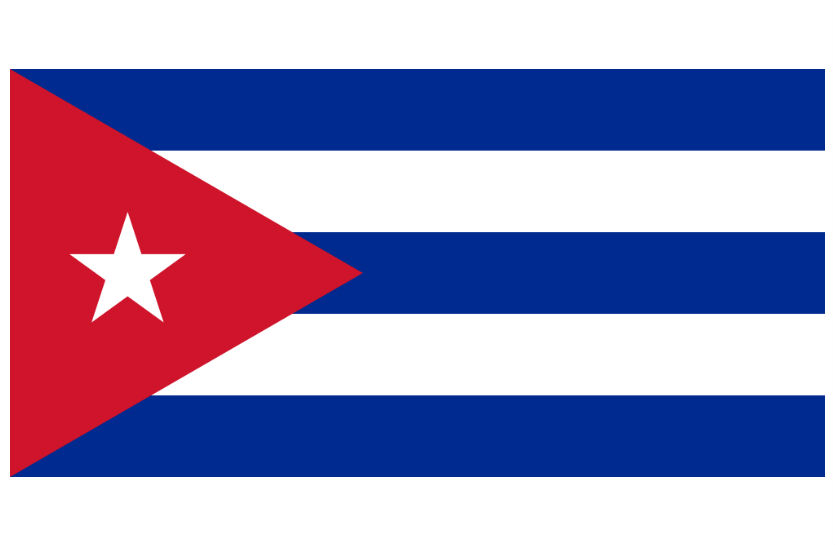
Ten years ago today, Fidel Castro, the leader of Cuba via a variety of titles since 1959, announced through Cuban media that “days and nights of continuous work, almost without sleep, took its toll on my health, put me under extreme stress and my health was affected,” so that he would hand over the duties and titles of First Secretary of the Communist Party of Cuba, President of the Council of State of Cuba, President of the Council of Ministers of Cuba, and Commander-in-Chief of the Armed Forces to his younger brother, Raúl Castro, who had been minister of defense since 1959.
Read More
41.386282
-74.347017
Thank you for sharing this via one of these wonderful services:


 The Gad About Town