
The Sidewalks of No Job
Being disabled and collecting a tiny-but-steady income means that I no longer need to do a few things:
Read More
Being disabled and collecting a tiny-but-steady income means that I no longer need to do a few things:
Read More
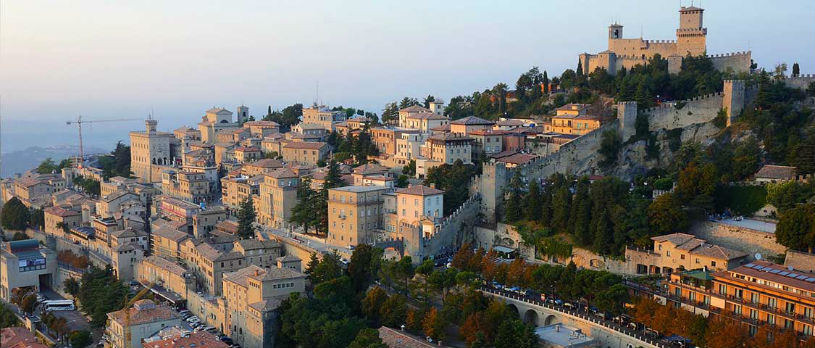
The Most Serene Republic of San Marino, a nation of about 30,000 people surrounded by Italy, celebrates its founding today. A constitutional republic since 1600, which is a fact that would mark it as one of the oldest nations in the world were it not for this: it dates its founding as a sovereign nation to September 3, 301 A.D., when it separated itself from the Roman Empire. It has been a nation for 1715 years since.
It is one of the most picturesque nations on our planet, as its 24 square miles sits in the Apennine Mountains with a view of the surrounding countryside. San Marino is the only nation with more cars than people.
Read More
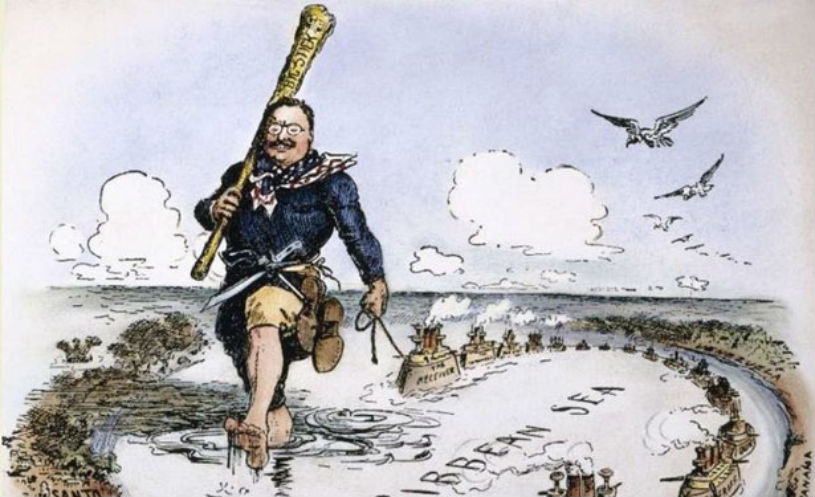
With an elusive specificity, Theodore Roosevelt always attributed his most famous statement to “Africa”—sometimes he introduced it with the statement that it was “a proverb you are all familiar with from West Africa” and sometimes he said it was a saying from South Africa.
“Speak softly and carry a big stick—you will go far,” was the saying that he credited to ancients from a land far away. He started to use the phrase in correspondence as early as 1900, when he was governor, but on this date in 1901, Vice President Roosevelt used the phrase in a speech at the Minnesota State Fair entitled National Duties. President William McKinley was gunned down four days later and died eight days after that, so this speech was visited and re-visited by the media as the only exposition the public had of the new young president’s worldview.
Read More
Celebrate Silent Film
stories, anecdotes, poetry, essays, and general magic
The blogging challenge keep you motivated and start the new year on the "write" track!
The Dangerous Blog of Mamie Van Doren
Daddy issues are for beta bitches
Poetry and the rumblings of my synaptic snap.
Poetry BLOG By Edge of Humanity Magazine
-- A Modern SuperWoman Life
Shortness of Breadth
because the story must be told
Award-winning historical murder mysteries inspired by classic 19th-century novels
My thoughts, sentiments, and scribbles on womanhood
Perfectly Imperfect Human
Discovering the joy of art
open your mind to a growth mindset and new perspectives
Truth of life
 The Gad About Town