January 16 in History
Citizens from twenty-eight communities located in the “New Hampshire Grants”—land across the Connecticut River to the west of the colony of New Hampshire—declared independence 240 years ago today. The land was in a dispute between New York and New Hampshire; the citizens wrote a constitution in which the land is referred to (in different places) as the “State of Vermont” and the “Commonwealth of Vermont.” Eventually, it became the fourteenth state.
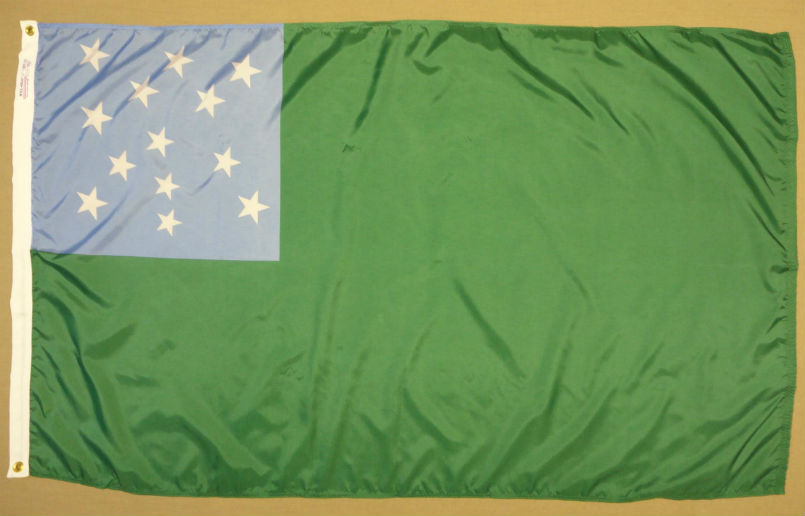
Between 1777 and statehood in 1791, Vermont was the Republic of Vermont, a sovereign entity that did not much want to be a republic (historians refer to it as the “reluctant republic”) but had a population that was only interested in joining a nation on its terms. It issued currency and had a flag, the “Green Mountain Boys Flag” seen at top.
After negotiations failed to unite Vermont with Quebec, it joined the colonies in the fight for independence from Great Britain. Most of its citizens fought on behalf of independence in the Revolutionary War.
Read More


 The Gad About Town