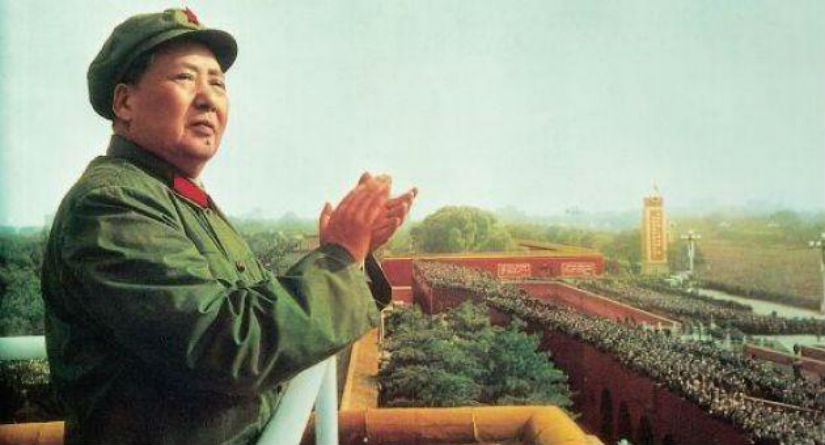
Today in History: September 9

“Had Mao died in 1956, his achievements would have been immortal. Had he died in 1966, he would still have been a great man but flawed. But he died in 1976. Alas, what can one say?”—a quote attributed toChen Yun

With his death 40 years ago today, Mao Zedong’s three decades in power in China came to an end. He was 82, had cardiopulmonary issues and probably had ALS along with Parkinson’s. His final appearance in public had come in May 1976. In photos from the event, a meeting with Pakistan’s leader, Mao appears already mummified. (His preserved body has been on public display in a glass coffin since 1976.)

The fact that Mao Zedong existed was one that dominated life in his nation from the 1930s until his death, when he joined the 50 million individual lives he sent to 50 million individual deaths. Theirs were the lives worth mourning.
Read More
Today in History: September 8

“The Man Trap,” the first episode of a new television series on NBC, debuted 50 years ago tonight. Star Trek is a half-century old today.

* * * *
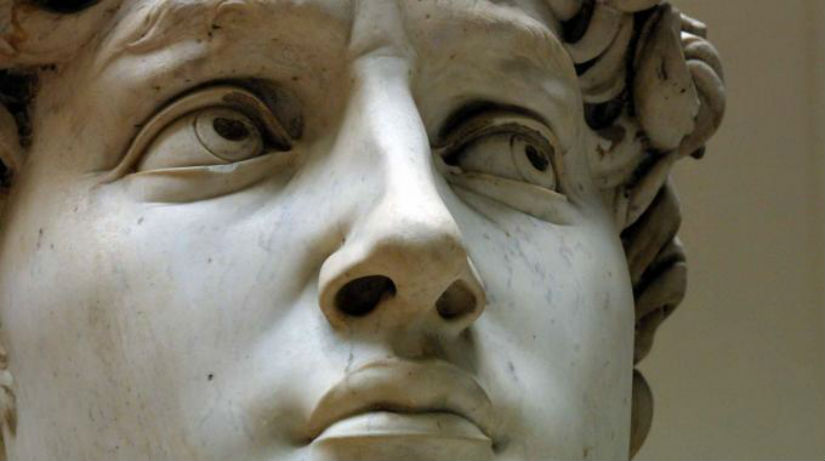
Michelangelo unveiled his masterpiece, the 17-foot-tall statue of David, on this date in 1504. (Close-up photo above.)
Read More

Today in History: September 7

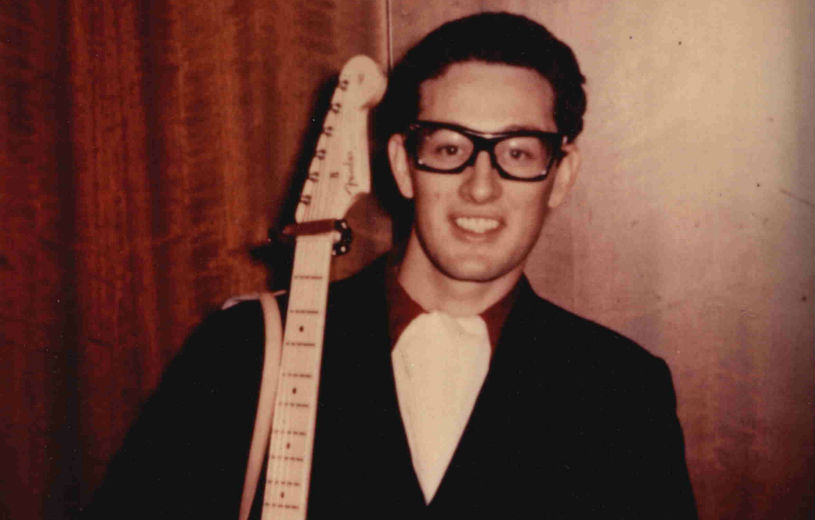
Charles Hardin Holley was born 80 years ago today in Lubbock, Texas.

His family nicknamed him Buddy. The Holley family was a music-loving one, and Buddy was participating in talent shows and contests before he was in high school. Within a year of graduating from high school, he was signed to his first recording contract, with Decca. His name was misspelled by Decca’s agent on the paperwork: Buddy Holly.

That first contract yielded very little for either Buddy Holly or Decca: he did not like having a producer oversee operations, even though that producer was one, Owen Bradley, whose eventual reputation was made molding singer-songwriters, and no hits resulted. Decca fired him within months, but it enforced the terms of his contract: he could not re-record his songs with any other label for the next five years.

Thus, his subsequent recordings, one of them a re-recording of a song Decca rejected titled “That’ll Be the Day,” were released under the name of his new band, the Crickets. But they were all written or co-written by Buddy Holly. By 1957, he was a star.
Read More