Today in History: Nov. 2

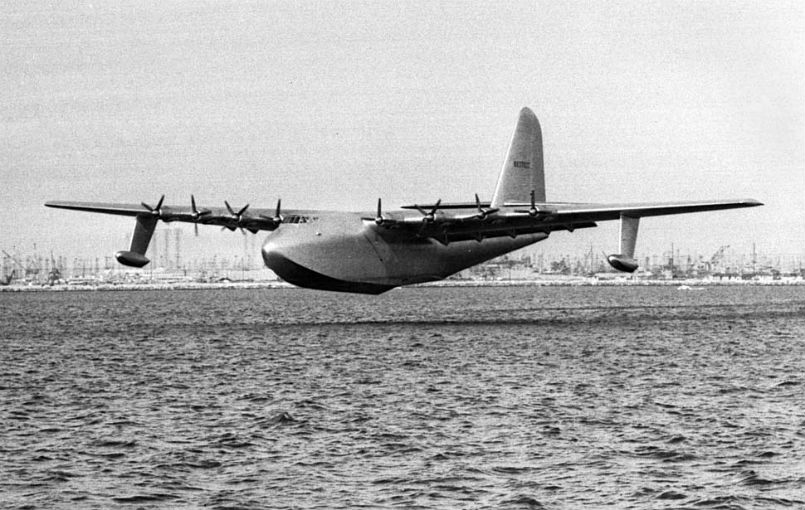
Howard Hughes hated the nickname, the “Spruce Goose,” given to his enormous flying boat, which was made out of a wood composite because of aluminum restrictions imposed on industry during World War II.

The plane was to be the product of a collaboration between Henry Kaiser of Kaiser Steel and Hughes to produce an aircraft strong enough to carry many fully equipped troops or a couple fully equipped tanks across the Atlantic. A U.S. government contract for three planes was issued to the two industrialists in 1942. Designs were developed, models were made, materials were tested to replace the aluminum that would otherwise be required for the body of the plane.

By 1944, Kaiser withdrew from the project, frustrated by Hughes’ perfectionism. The military contract was re-written to just one plane. Further designs were drawn up and revised. The war ended, which did not close the contract, and work on the enormous plane continued. Each piece of the wood composite that made up the plane was hand-ironed by employees of the company in Wisconsin that had developed the formula for it.
Read More
Today in History: Oct. 31

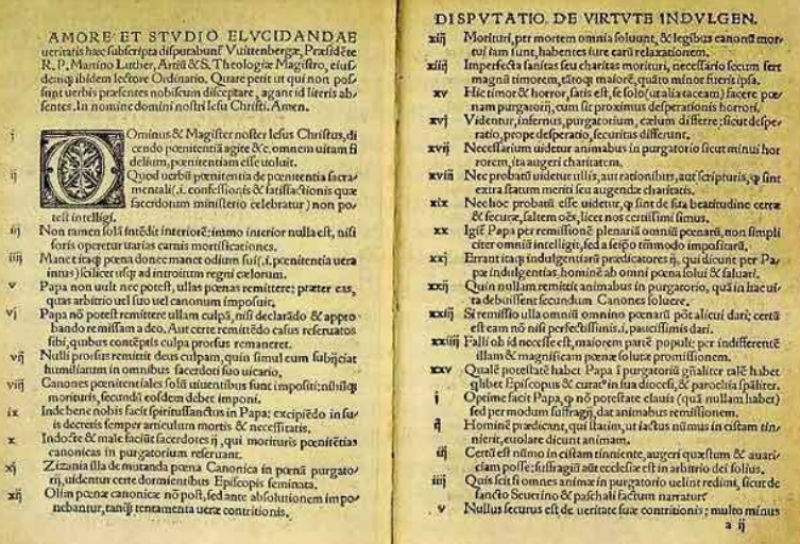
“When our Lord and Master Jesus Christ said, ‘Repent,’ he willed the entire life of believers to be one of repentance.”—Martin Luther, Ninety-five Theses

Martin Luther, a university professor and preacher, sent a long list of propositions to his archbishop against the common practice of selling indulgences—certificates guaranteeing a reduction in suffering in the afterlife for sins committed in this life—on this date in 1517. The Protestant Reformation is considered to have started 499 years ago today.

Legend has it that Luther nailed the document to the door of the All Saints Church in Wittenberg on this date, but there is no evidence that he did so. He may have posted the document on the door, which was a common place to post important papers, in mid-November that year, as citizens in Wittenberg were starting to discuss the Ninety-five Theses without having the argument in front of them.
Read More

Today in History: Oct. 30

Boom! and Boo! …

* * * *
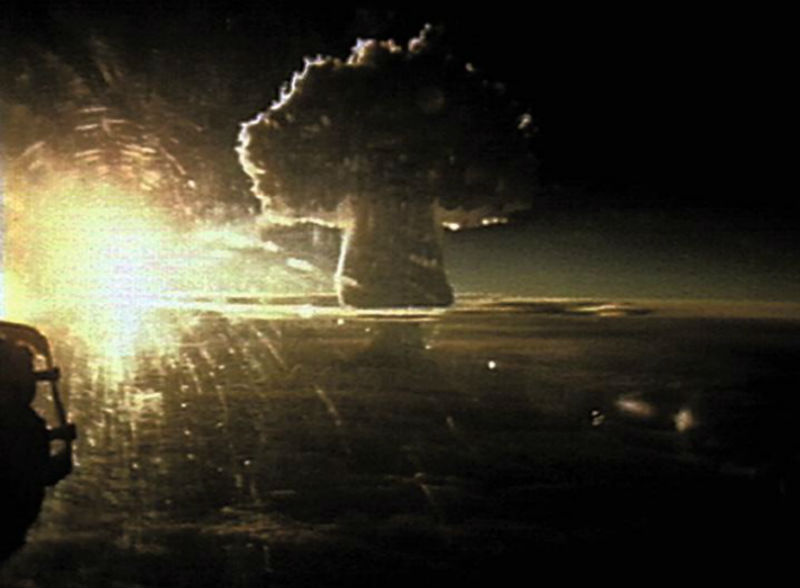
From 100 miles away, the crew of the Tu-95V plane found themselves looking up at the bottom of the mushroom cloud created by the bomb they had dropped several minutes before. After the crew dropped the bomb, the pilot flew the plane as fast as possible from the impending explosion: when the plane was twenty-eight miles away, the device detonated, and the shock wave traversed that distance almost instantaneously and knocked the plane a mile-and-a-half down and away. The crew safely landed the plane, but not before they took photos of Tsar Bomba’s mushroom cloud (above), the largest thermonuclear weapon—thus, the largest weapon—yet detonated on the planet.

The Soviet Union exploded Tsar Bomba 55 years ago on this date.
Read More