Roland Barthes

The philosopher, semiotician, literary theorist—the writer—Roland Barthes died 35 years ago today.

Reading him (well, a good translation, usually by Annette Lavers or Richard Howard) as a teenager was one of my formative experiences; it was my first conscious experience of my brain expanding with the simple idea that everything is worth notice and consideration. Everything produced by a culture is a signifier of at least that culture itself. His most popular book, Mythologies, is about common aspects of civilization, the items and ideas that make up our modern mythology of ourselves: plastic, toys, striptease, cruises, soap and detergents. Other writers and cultural critics have followed Barthes; perhaps the fact that the job title “cultural critic” exists is attributable to Barthes’ work. Almost every television, music, and film reviewer owes Barthes a debt, but his studies went far deeper than the popular everyday items.
Read More

Two Awards, Plus a Film Plug

About two years ago, before this blog was launched, an online publication presented without any introduction a short film that I could not stop watching. It was an insomniac night and I no longer remember the name of the publication that made the insomnia worthwhile. (Buzzfeed, perhaps?) I think the only thing the publication said about it was that it was “narrated by Siri,” the iPhone voice, and that it was weird.
Read More

Richter at 100

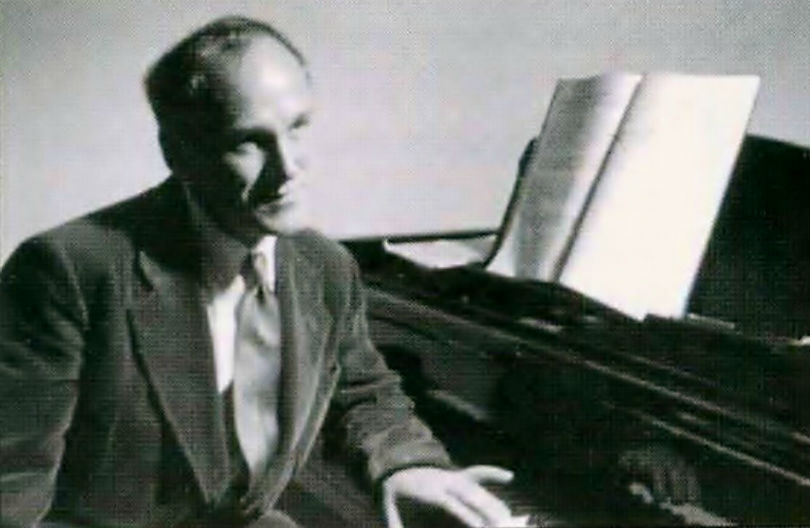
There are many videos available online of the great pianist Sviatoslav Richter at work. In the “comments” section under many of the Richter videos one will often find a person complaining or simply stating that the recording is “fake” or appears to them to be “speeded up.” In this age of photo editing and video editing software, this era in which we assume lies are being told and fakery is afoot, it is something of a backwards compliment being paid to Sviatoslav Richter, who was born 100 years ago today.

Anyone who could cover the keyboard that completely, that quickly, could not have been real. He could, he did, and he was.

Below is a clip of Richter tearing into the Étude Op. 10, No. 4 by Chopin, which is written to be played very fast, with passion; the sheet music itself overflows with notes. In Richter’s hands, it is volcanic.

 
Imagine the floor under that piano.
Read More