Deus X-Files

Deus ex post facto: plot twists and other dilemmas …

* * * *
In classical drama, the term deus ex machina refers to a plot device wherein a plot problem is suddenly solved by the arrival of a previously unannounced character who supplies the answer or solution. “But don’t you know? That’s your brother!” would be a line delivered by a deus ex machina character, thus helping our hero avert or defeat a troublesome situation.

When a playwright or a novelist needs to fix an intractable plot puzzle, he or she might resort to the tool, which is Latin for “god from the machine,” or “you couldn’t figure it out for yourself with the characters you’d created, so you punted,” but audiences since ancient times have tended to see through the fix. “Where did HE come from?” More often than not nowadays, it is used ironically, but when you find yourself reading a book and seeing lines delivered by a character that you do not remember being introduced to, your inattentive reading is not to blame. That character really was not there 20 pages earlier.
Read More
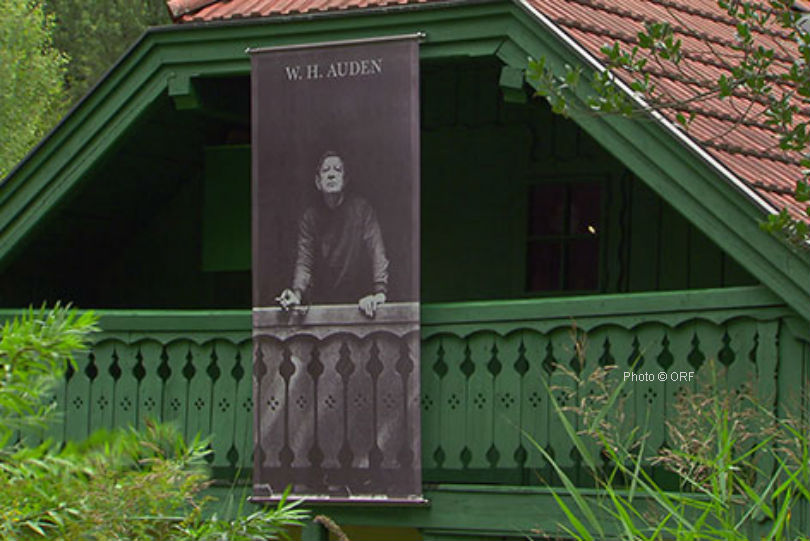
‘They are bluffing, and you must learn to bluff too’

In the documentary, Tell Me the Truth About Love, W.H. Auden’s friend Thekla Clark recounts the story of one of Auden’s lovers complaining to him that he thought Auden would be more “romantic,” being a poet, after all. “But you aren’t romantic,” Clark quotes the lover telling the Auden. “You aren’t romantic at all.”

“If you want romance,” Clark quotes Auden replying, “screw a journalist.” (Except the word he used was not “screw.”)

Auden was not one to ruin a good line—or a good night—by spending it an explanation of the difference between the romantic and the sentimental.
Read More

Auden’s ‘September 1, 1939’

Shortly before his death, the poet W.H. Auden told talk-show host (and former politician) Richard Crossman, “Nothing I wrote prevented one Jew from being gassed or stalled the war for five seconds.”

At first glance, this places the bar very high for the role of a writer in the affairs of the world, but it is simply a stark assessment of the reality that a writer has no say in the practical matters of life and death. He is not saying that words do not matter but is instead drawing the boundary between where they do matter and where they can not. Writers are makers and not doers, not “men of action,” Auden also liked to say.
Read More