The Spam Folder Follies

They love my information in the spam comments folder. Apparently, the only thing my web site needs is some help with one of the following: loading in Internet Explorer or compatibility with Safari or help with ways of viewing it on a phone browser, but otherwise, my posts have “great information” and my writing is “useful,” according to Spam commenters.

Oh! and no one can ever find this web site. “Disgrace on the sseek engines for nott positioning this submit upper,” one recent comment (December 8) declared. At least, I think this has something to do with that. The writer seems to be offering help with search engine optimization (SEO), which no one actually understands but many claim to.

Anyone who has read Madeleine L’Engle’s novel A Wrinkle in Time may appreciate the above comment’s inadvertent resemblance to the character Mrs. Which’s statements: “I ffindd itt verry ttirinngg, andd wee hhave mmuch ttoo ddoo.”
Read More
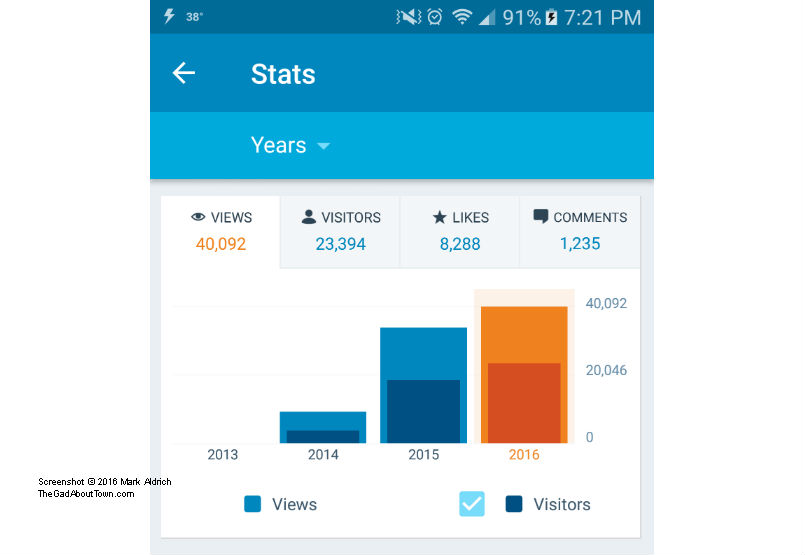
Nothing to Protest

The best two words any of us get to say or write each day are “Thank you.” Thank you to everyone who reads this website, even if this post is the first one by me that you have ever seen: Thank you.

Yesterday, this website was viewed for the 40,000th time in 2016. About one month ago, the number of views this website received surpassed the number of views it received in all of 2015. Just under 34,000 views in 2015, and more than 40,000 in 2016.
Read More

‘Higgling, Haggling …’

The title is a part of Adam Smith‘s description of the flaws inherent in any system of bartering: Once two parties have actually agreed to negotiate a swap of items or services, which is easier described than accomplished, how long will it take to negotiate value or price? Is my horse worth the same as your horse? Why do you think so? You must be hiding some detail. You must be trying to foist a sickly ill nag on me to ride off with my healthy animal. How dare you …

If one party thinks the other is out to cheat him—even if the other party is not out to cheat—he will over sell with the intent to make a profit. Further, if the other party also thinks he is about to be cheated, both parties will attempt to cheat each other in order to think they are protecting themselves. Hence Smith’s description of barter as “higgling, haggling, swapping, dickering.” The two bartering parties run the risk of spending the entire day in fickle negotiation rather than in work.
Read More