Freedom of speech is the air that any thinker breathes; it’s the fuel that ignites the fire of an intellectual’s thoughts.
Many human rights organizations believe that freedom of speech is a basic human right, and they call upon the Arab regimes to reform their policies when it comes to freedom of speech. As a human being, you have the right to express yourself. You have the right to journey wherever your mind wanders and to express the thoughts you come up with along the way. You have the right to believe, and to atone, the same way you have the right to love or to hate. You have the right to be a liberal or to be an Islamist.—Raif Badawi, “1000 Lashes Because I Say What I Think“
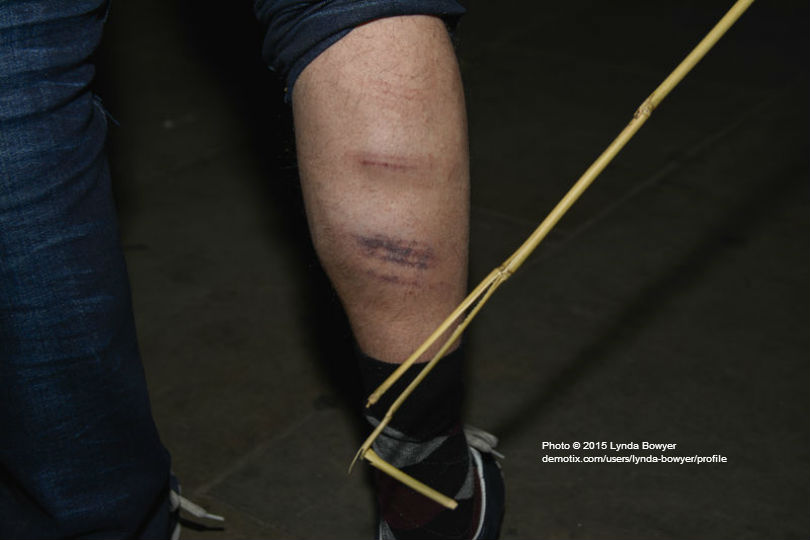
So far in 2015, we have seen journalists beheaded with machetes, a blogger whipped with a cane as an official judicial punishment for his writing, editorial cartoonists gunned down in their office, bloggers hacked to death in Bangladesh, more than 20 journalists detained and even convicted and jailed in Egypt, and journalists detained in America for covering the racism prevalent in every official part of our system. Not a great year.
If you believe freedom of speech is a precious commodity, “the air” we need to breathe, the most dangerous and assertive act you can perform in the name of that freedom is to keep using it, to keep at it. To keep writing.
If the Norwegian Nobel Committee believes that freedom of speech is a precious commodity, believes that those who fight for it and use it in places where it is dangerous to do so rather than in places where it is easy to do so are the people telling every human being’s story, if the Norwegian Nobel Committee respects that fight, it behooves the committee to recognize Raif Badawi’s fight with this year’s Nobel Peace Prize. This is because this is a fight we all might find ourselves in someday, and even if some of us are privileged enough to not be in that fight right now, we must use our voices to support the forcibly silenced.
Read More
41.402038
-74.324319
Thank you for sharing this via one of these wonderful services:


 The Gad About Town